

November 03, 2026
Halloween may be over, but for food and beverage businesses, the holiday rush is just getting started.
Over the next two month, retailers, manufacturers, distributors, and other food businesses will move through one of the most demanding periods of the year. As Halloween inventory gives way to Thanksgiving and December holiday demand, businesses must continually make room for new products while managing seasonal inventory that did not sell as anticipated. By the time year-end cleanouts begin, several consecutive inventory transitions may already have put additional pressure on warehouse and cold-storage capacity.
That pressure can come from many directions. Unsold seasonal products may be competing for space with short-dated or expired inventory, while off-spec batches and packaged products requiring destruction create additional material that needs to be managed. At the same time, new inventory continues to arrive, leaving operations teams with less space and less time to determine where those materials should go.
The result is more than a waste management challenge. Delays can constrain storage capacity, complicate logistics, create operational bottlenecks, and leave teams searching for responsible outlets at exactly the time when volumes and demands across the supply chain are increasing.
The scale of the challenge extends well beyond the holiday season. According to ReFED’s 2026 U.S. Food Waste Report, 70 million tons of surplus food were generated in the U.S. in 2024, with excess and spoilage together accounting for more than a third of that total. During the holidays, when demand changes quickly and seasonal products have narrow sales windows, those challenges can become even more pronounced. Businesses must continually balance incoming inventory against available storage capacity, and what might normally be a routine cleanout can quickly become a more complicated logistical challenge.
A better strategy starts before the backlog
Reducing surplus food should always begin with prevention. Better forecasting, inventory management, and purchasing decisions can help businesses avoid unnecessary surplus, while food that remains safe and suitable for people may be eligible for donation or other recovery opportunities.
Even with those strategies in place, however, food and beverage operations will inevitably generate material that can no longer be sold or donated. Having a plan for that material before volumes begin to rise can give operations teams considerably more flexibility when conditions change.
That means understanding which products and locations are most likely to generate surplus, what material can be donated or directed toward other beneficial uses, and what recycling options are available for what remains. Businesses should also consider practical questions such as transportation and receiving capacity, how packaged and bulk materials will be managed, whether depackaging will be required, and what documentation will be needed to track diversion.
For companies operating across multiple locations, this preparation becomes even more important. A consistent strategy can provide teams with clear pathways for routine material while also creating flexibility to respond to unexpected loads, large cleanouts, or sudden changes in inventory.
Building flexibility into your holiday waste strategy
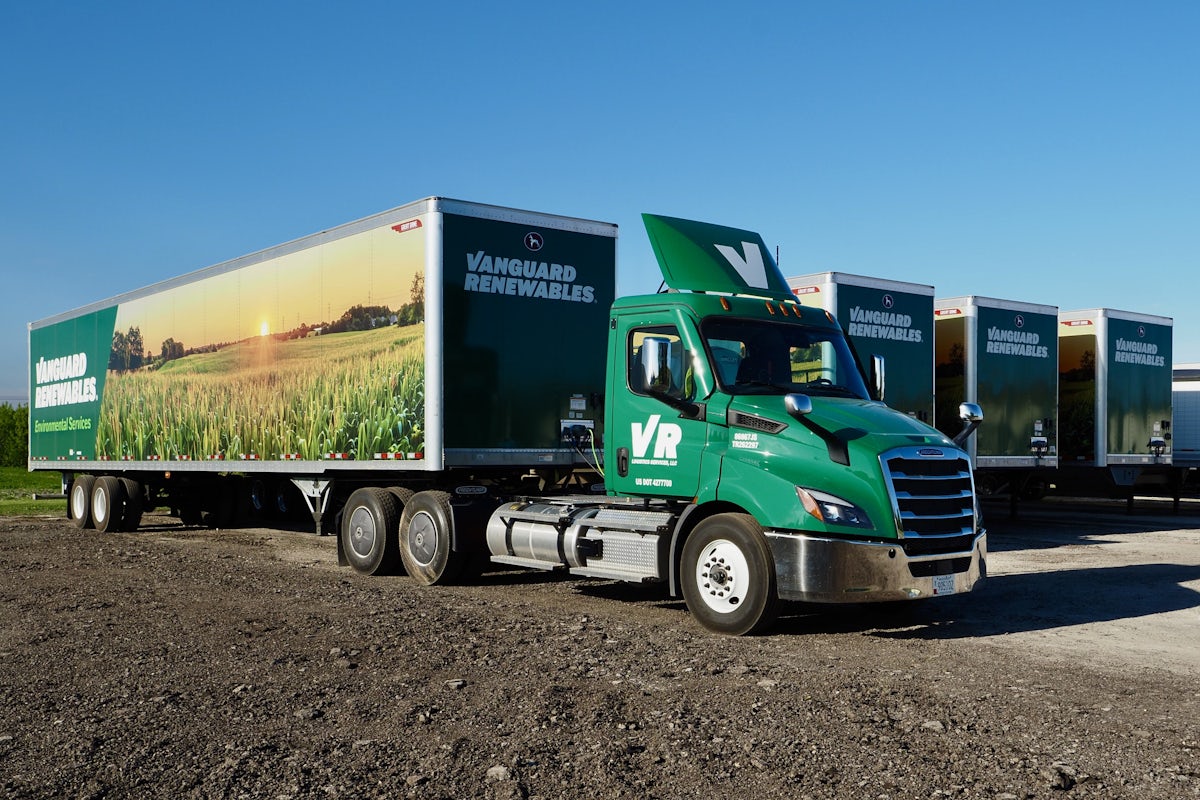
Vanguard Renewables works with food and beverage manufacturers, retailers, distributors, and other businesses to build organics recycling programs around the realities of their operations.
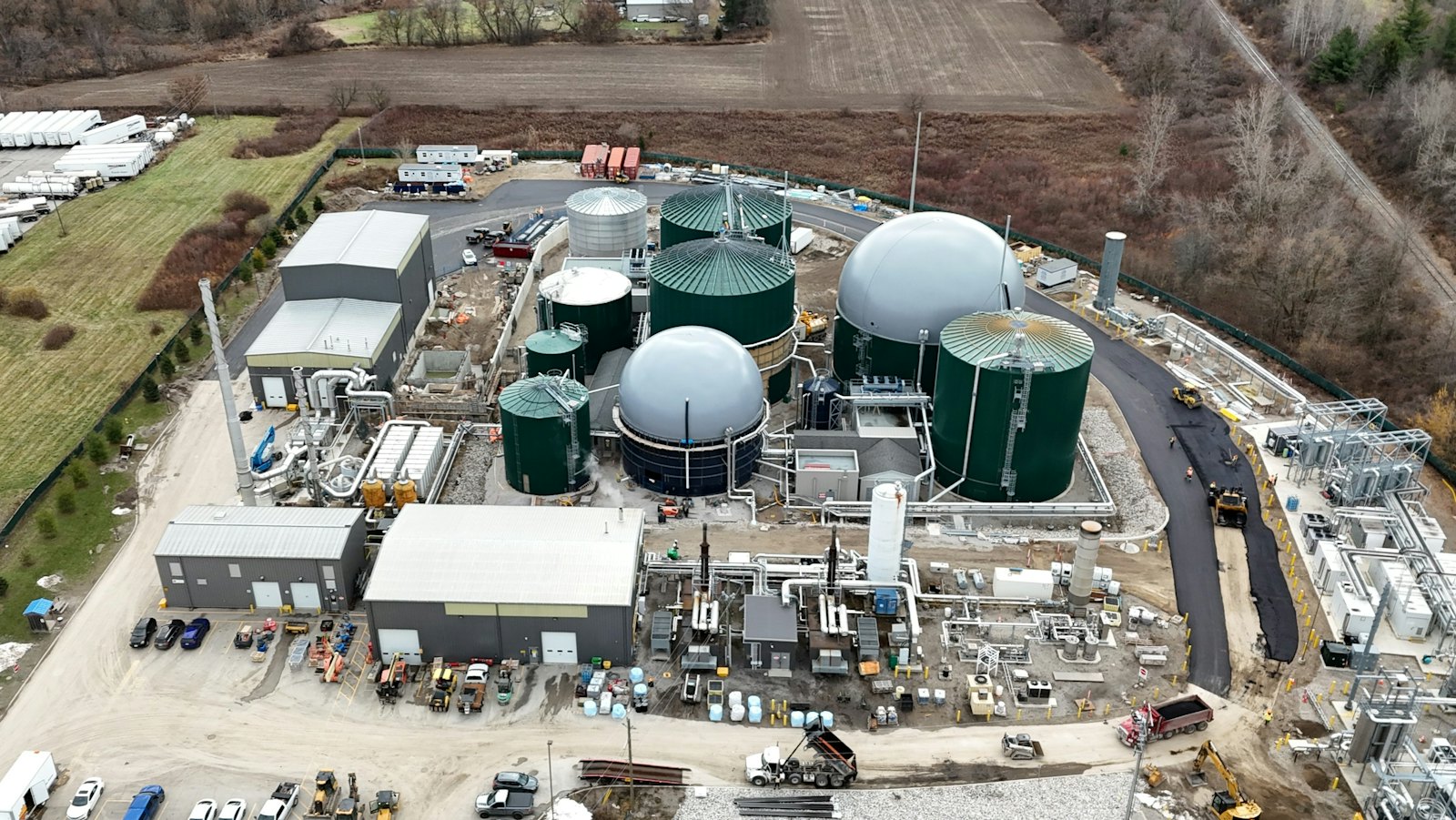
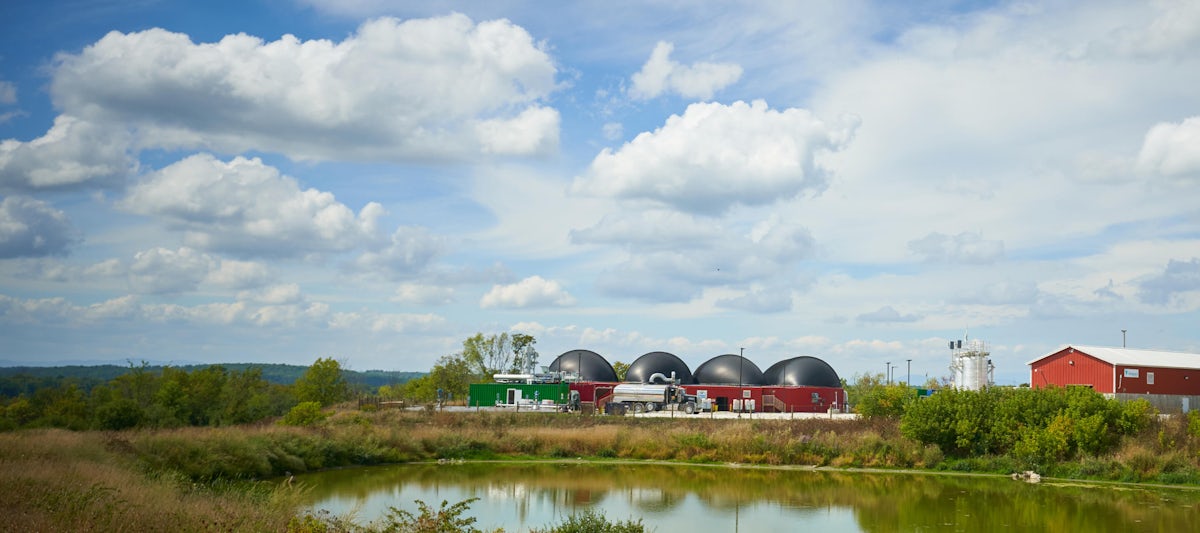
Depending on the material and market, that can include coordinating logistics across one or multiple locations, accepting packaged and bulk organic material, providing depackaging capabilities, and identifying responsible outlets. Where appropriate, organic material can be recycled through anaerobic digestion, transforming material that might otherwise be discarded into renewable energy and other valuable products.
Where material is not well suited for anaerobic digestion, or where other recovery pathways make more sense based on its characteristics or location, our network of trusted recovery partners gives us greater flexibility to identify the most appropriate solution. Combined with our own anaerobic digestion, depackaging, and preprocessing capabilities, this integrated approach allows us to support a broader range of materials while maximizing diversion from landfill. Reporting provides customers with visibility into volumes, destinations, and diversion activity so they can better understand and communicate the impact of their programs.
Ultimately, the goal is not simply to move material out the door when storage space runs short. It is to build a reliable system that gives businesses options when volumes change, operations become more complex, and timelines tighten.
The holiday waste surge has already begun
By December, warehouses will be busy, storage space will be at a premium, and teams across the food supply chain will be focused on keeping products moving. November offers an opportunity to prepare before those pressures peak.
For businesses anticipating holiday inventory transitions, seasonal cleanouts, or year-end disposition needs, having the right outlets, logistics, and processes established in advance can help prevent a predictable seasonal challenge from becoming an operational disruption.
With the right strategy and partners in place, businesses can manage the holiday surge while keeping valuable organic material out of landfills and moving it toward a more productive next use.
Learn more about Vanguard Renewables’ environmental services, get a free waste evaluation, or contact us to start planning for your holiday and year-end needs.