


August 12, 2026
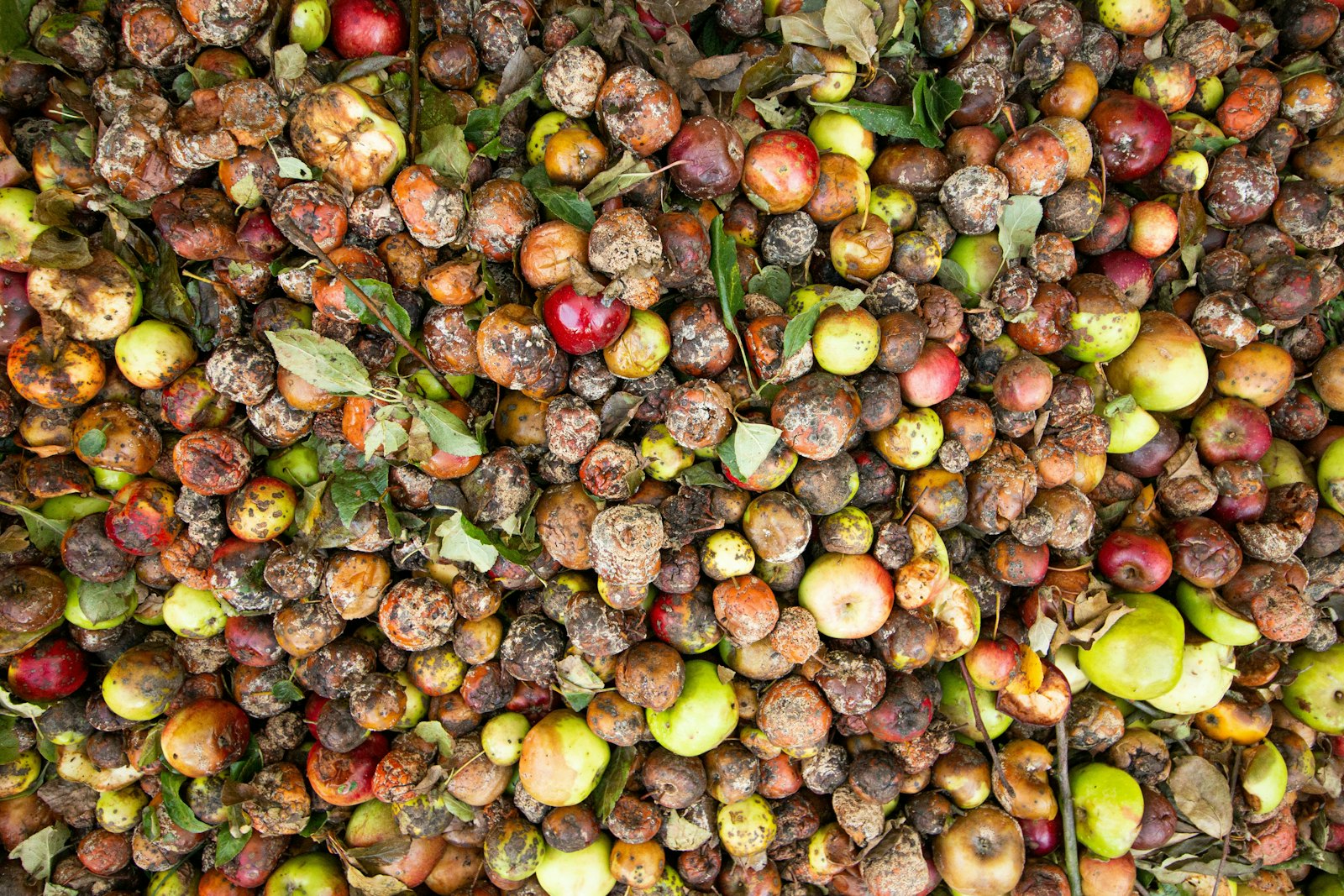
For years, food waste lived behind the store: in back rooms, compactors, loading docks, and spreadsheets. But the scale, cost, and scrutiny around unsold food have changed. Today, food waste touches margin, compliance, sustainability, operations, and brand trust—and that means it belongs in the same conversations as supply chain resilience, shrink reduction, and ESG performance.
The opportunity is significant. In its 2026 U.S. Food Waste Report, ReFED estimates that 70 million tons of surplus food were generated in the U.S. in 2024, representing about 29% of the food supply and an estimated $380 billion in value. For retailers already operating on tight margins, this is a sustainability challenge wrapped inside an operational and financial liability.
And the pressure is building. As states advance organics diversion requirements, packaging recovery rules, and broader food waste policies, multi-site retailers are being asked to do more than reduce what they throw away. They need to prove where material goes, how it is handled, and what impact their diversion programs are delivering.
What Smart Retailers Are Doing Differently
Retailers already understand the pain points. They know food waste is hard to manage across stores, distribution centers, vendors, seasons, and regulatory environments. The more useful question is what leading operators are doing about it.
The retailers getting ahead aren't treating food waste as a disposal problem to solve at the end of the process. They're building more intentional systems around it—systems that make diversion easier to scale, reporting easier to trust, and store-level execution easier to sustain.
- They consolidate fragmented vendor networks into more coordinated programs that handle both packaged and bulk organics and support consistent service across regions.
- They build compliance considerations into program design, especially when operating across multiple states or municipalities.
- They prepare for seasonal volume swings, recalls, damaged goods, and expired inventory before those events strain existing systems.
- They prioritize data visibility so sustainability, operations, and finance teams can understand volumes, destinations, diversion outcomes, and progress over time.
The Payoff: Turning a Liability Into Infrastructure
The most effective food waste strategies create a more reliable operating model, instead of simply moving material out of the building.
Vanguard Renewables helps retailers move from reactive disposal to strategic resource recovery. We design tailored organics recycling programs to manage it all: packaged waste, bulk organics, multi-site logistics, or region-specific regulatory requirements.
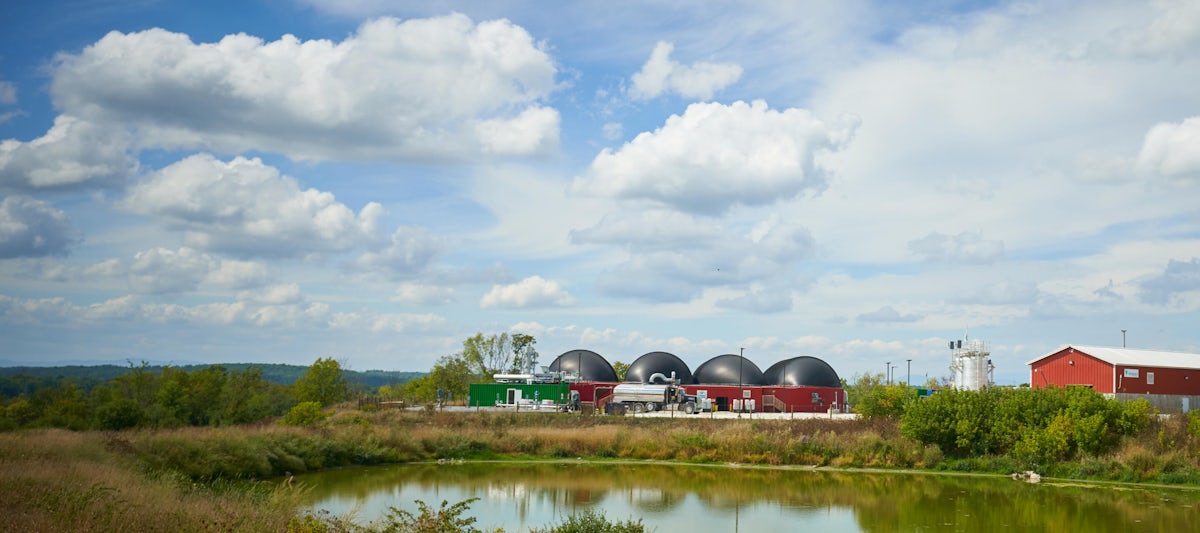
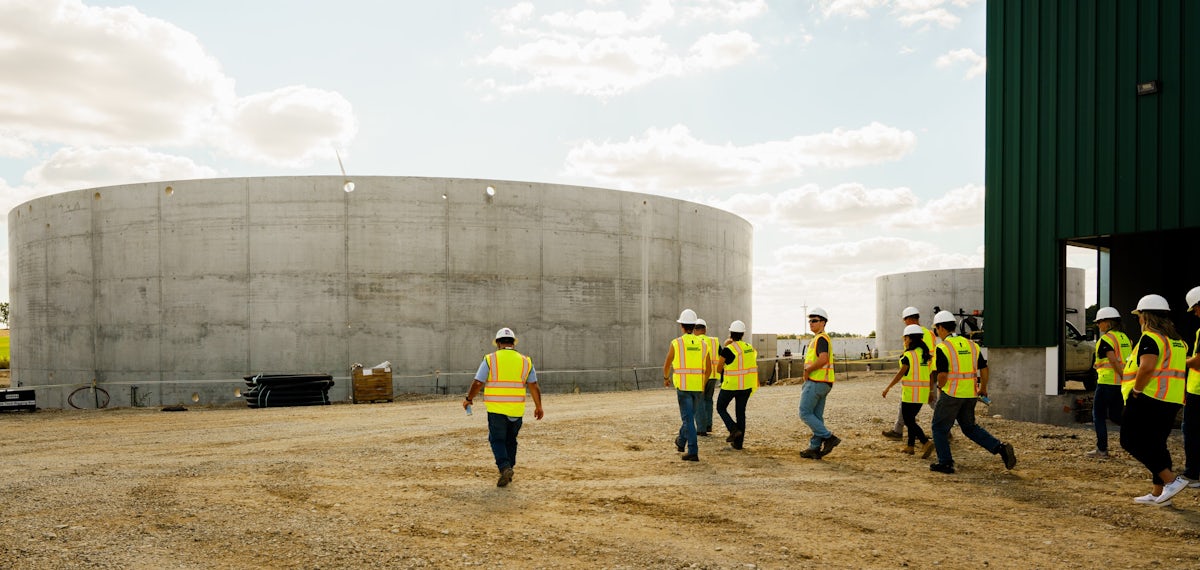
Our anaerobic digestion facilities convert organic waste into renewable natural gas, reducing reliance on landfills while supporting domestic energy infrastructure. Where Vanguard Renewables doesn't (yet!) operate anaerobic digesters, we work through a national network of strategic partners to help match each waste stream to a responsible diversion pathway.
The right program also gives retailers the necessary data for decision-making as well as sustainability reporting. Through Vanguard Renewables' client portal, teams can track organic recycling activity, access key documentation, and generate reports on the volume of tons diverted, by site and by disposal method, as well as by facility (for multi-site clients).
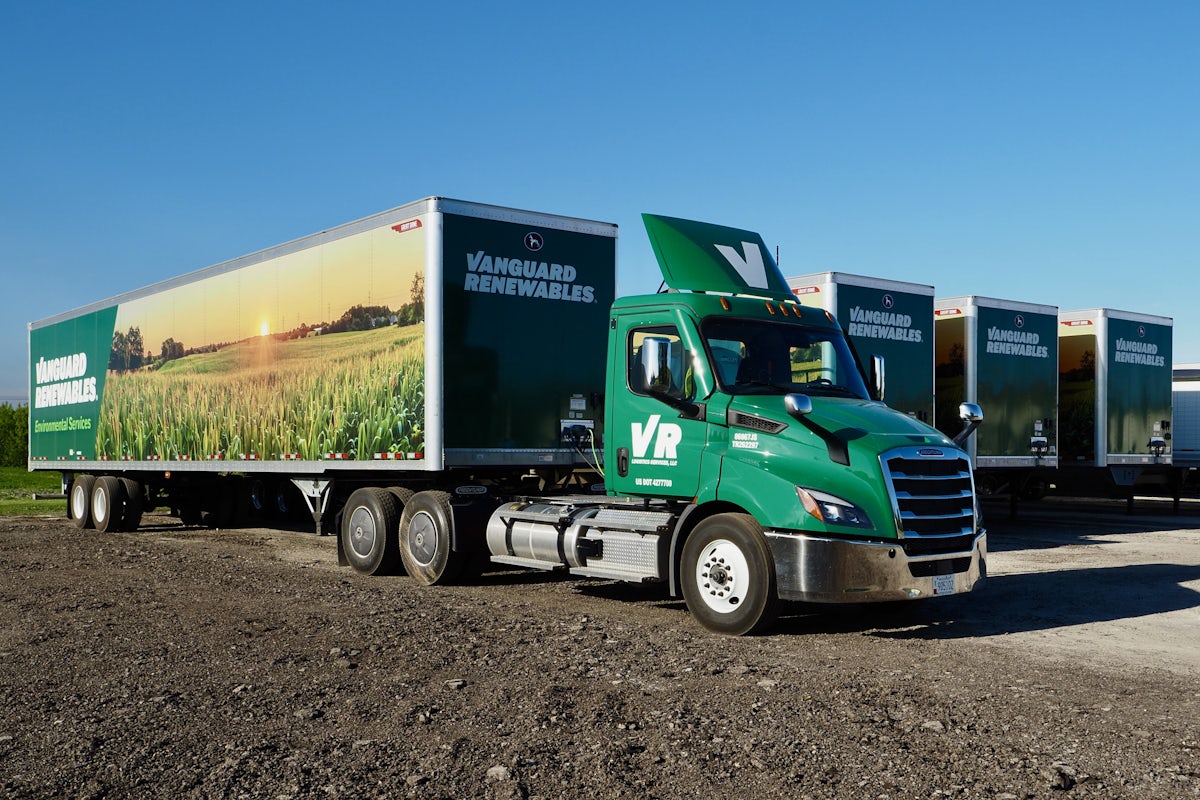
We also support the capabilities retailers need to make these smarter systems work: logistics, depackaging, compliance support, and destruction documentation. With programs built around a retailer's footprint and operational realities, internal teams gain more consistency, clearer data, and a simpler path to communicate progress.
A Smarter Food Waste Strategy Starts With the Right Partner
No two retail operations generate waste in exactly the same way. Store formats, product mix, seasonal demand, distribution models, and local regulations all shape what a successful program needs to look like. That's why Vanguard Renewables takes a consultative approach, building solutions around each customer's goals, footprint, and constraints.
Food waste will always require operational discipline. But with the right partner, it can also become a source of measurable progress: less landfill reliance, better reporting, stronger compliance readiness, and a more resilient sustainability strategy.
Let's simplify your food waste strategy and turn it into a business advantage.