

August 12, 2026
Food waste policy is gaining momentum across the United States.
According to ReFED's latest U.S. Food Waste Report, 12 states now have food waste diversion policies in effect, while state legislatures introduced 110 food waste-related bills and passed 24 into law in 2025 alone. Those numbers reflect a growing recognition among policymakers that food waste is not simply a sustainability issue. It is also a landfill management, methane reduction, resource conservation, and economic development challenge.
Recent developments illustrate that momentum. Illinois lawmakers are considering legislation that would require covered businesses to divert food waste when recovery options are available. In Florida, Miami-Dade County recently unveiled a Zero Waste Master Plan aimed at reducing the nearly 5 million tons of waste generated annually. Across the country, states and municipalities are increasingly exploring policies designed to keep valuable organic materials out of landfills and put them to better use.
The push is understandable.
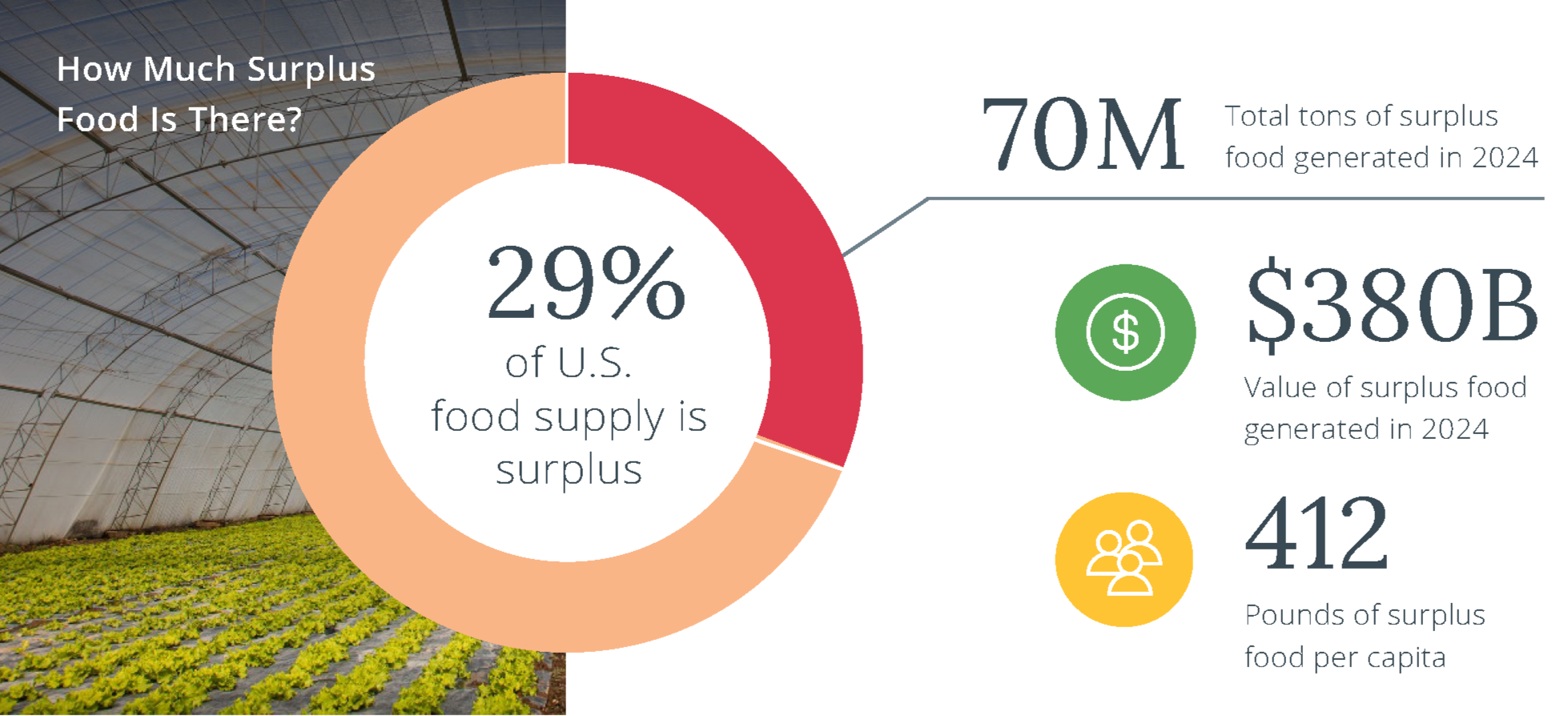
Despite growing awareness and investment, ReFED estimates that nearly one-third of the U.S. food supply is still lost or wasted. In 2024 alone, Americans generated approximately 70 million tons of surplus food valued at $380 billion. While that represents progress, including a 2.2% reduction in surplus food compared to the prior year, the scale of the challenge remains enormous.
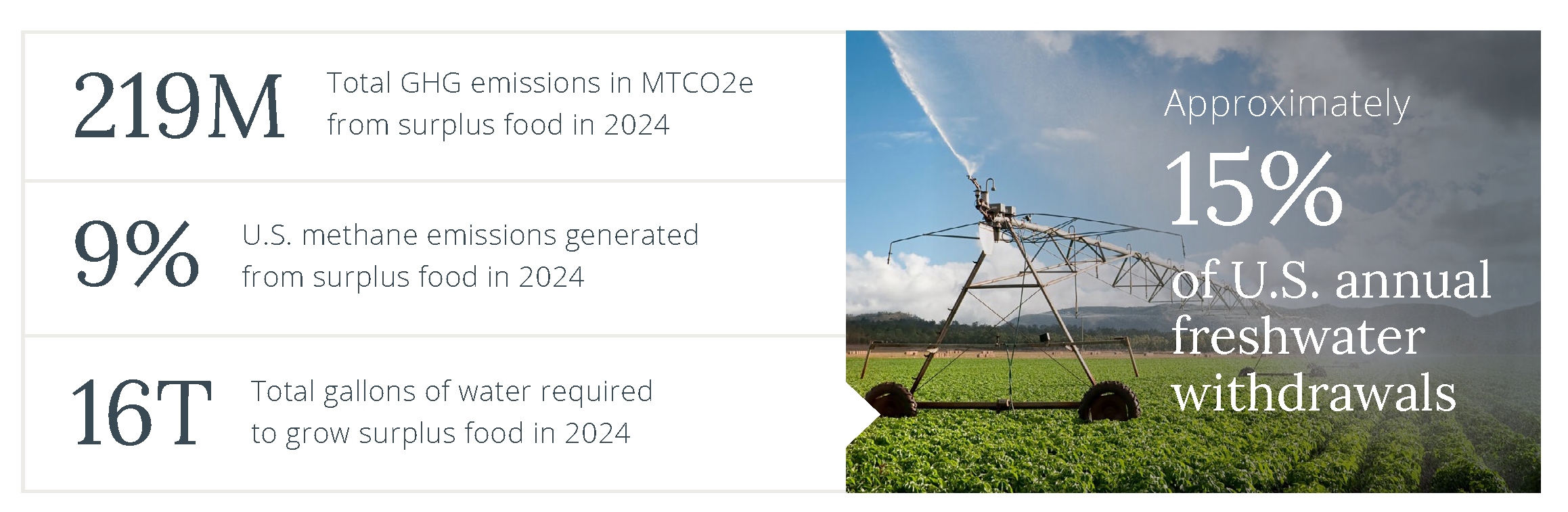
The environmental impact is equally significant. ReFED estimates that food waste is responsible for 3.5% of U.S. greenhouse gas emissions and generates approximately 9% of the country's methane emissions. Food is also estimated to be the single largest material entering U.S. landfills, accounting for roughly 24% of landfilled material. As landfill capacity continues to tighten in many regions, policymakers are increasingly looking to food waste diversion as a practical way to extend landfill life while reducing emissions.
But passing legislation is only part of the equation.
Food waste diversion policies don't automatically create diversion capacity. Businesses still need practical pathways to comply. That means collection networks, transportation solutions, processing infrastructure, and viable end markets that can reliably accept and recover organic materials.
This is where the conversation is beginning to shift. Increasingly, the question is not whether food waste should be diverted. It's whether the infrastructure exists to support diversion at scale.
The capacity to act is beginning to take shape.
The good news is that meaningful progress is already happening. ReFED reports growing investment in food waste solutions, increasing private-sector participation, and broader adoption of technologies and infrastructure that help businesses manage surplus food more effectively. In fact, private funding for food waste solutions increased for the first time in four years during 2025, contributing to overall sector growth.
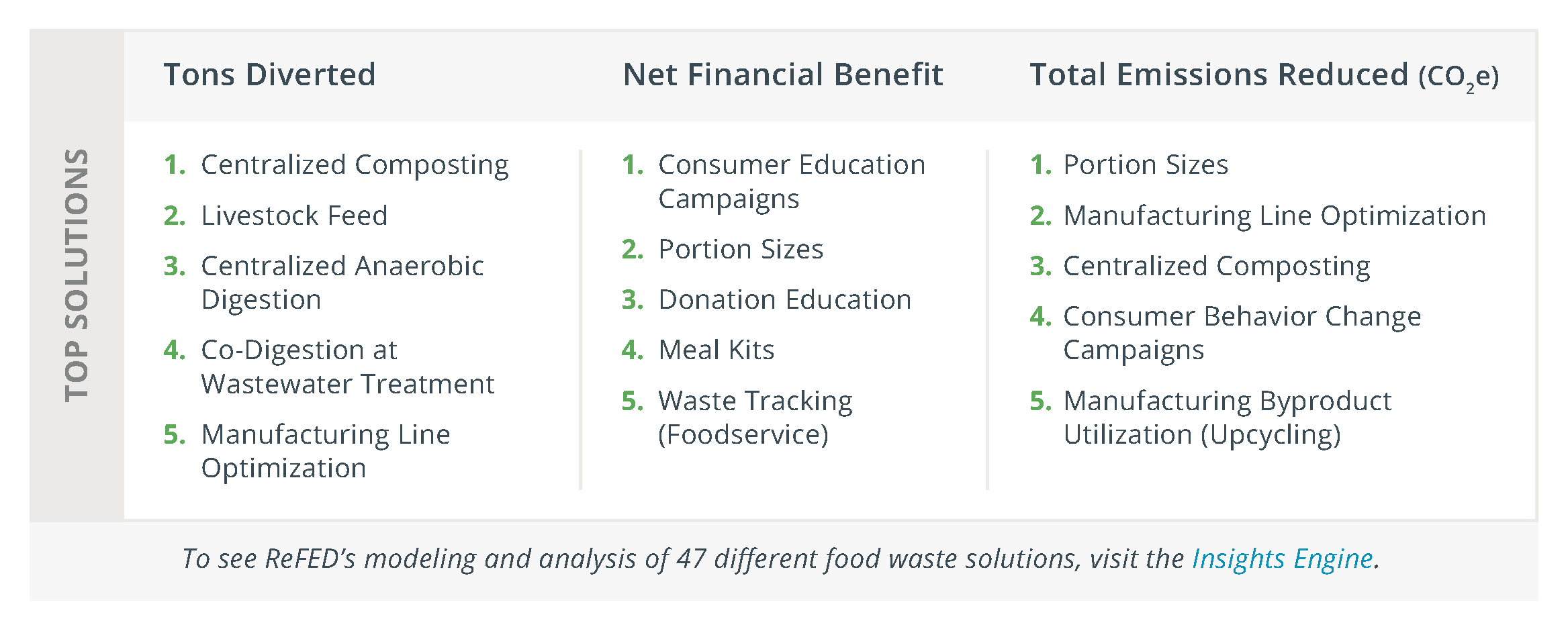
ReFED's analysis also highlights the importance of scalable recovery infrastructure. Among the most impactful solutions identified for diverting food waste are centralized composting, livestock feed programs, and centralized anaerobic digestion facilities capable of processing large volumes of material. These solutions play an essential role in transforming food waste from a disposal challenge into a valuable resource.
The economic opportunity is substantial as well. Massachusetts recently reported that its food waste diversion regulation has generated more than 1,670 jobs and $194 million in economic value, demonstrating what can happen when policy is paired with the infrastructure necessary to support implementation.
Turning policy into action.
Policy can create the framework for change, but infrastructure is what helps businesses move from intention to action.
As food waste diversion requirements expand, businesses increasingly need flexible recovery pathways that match materials with their most productive use and provide reliable alternatives to landfill.
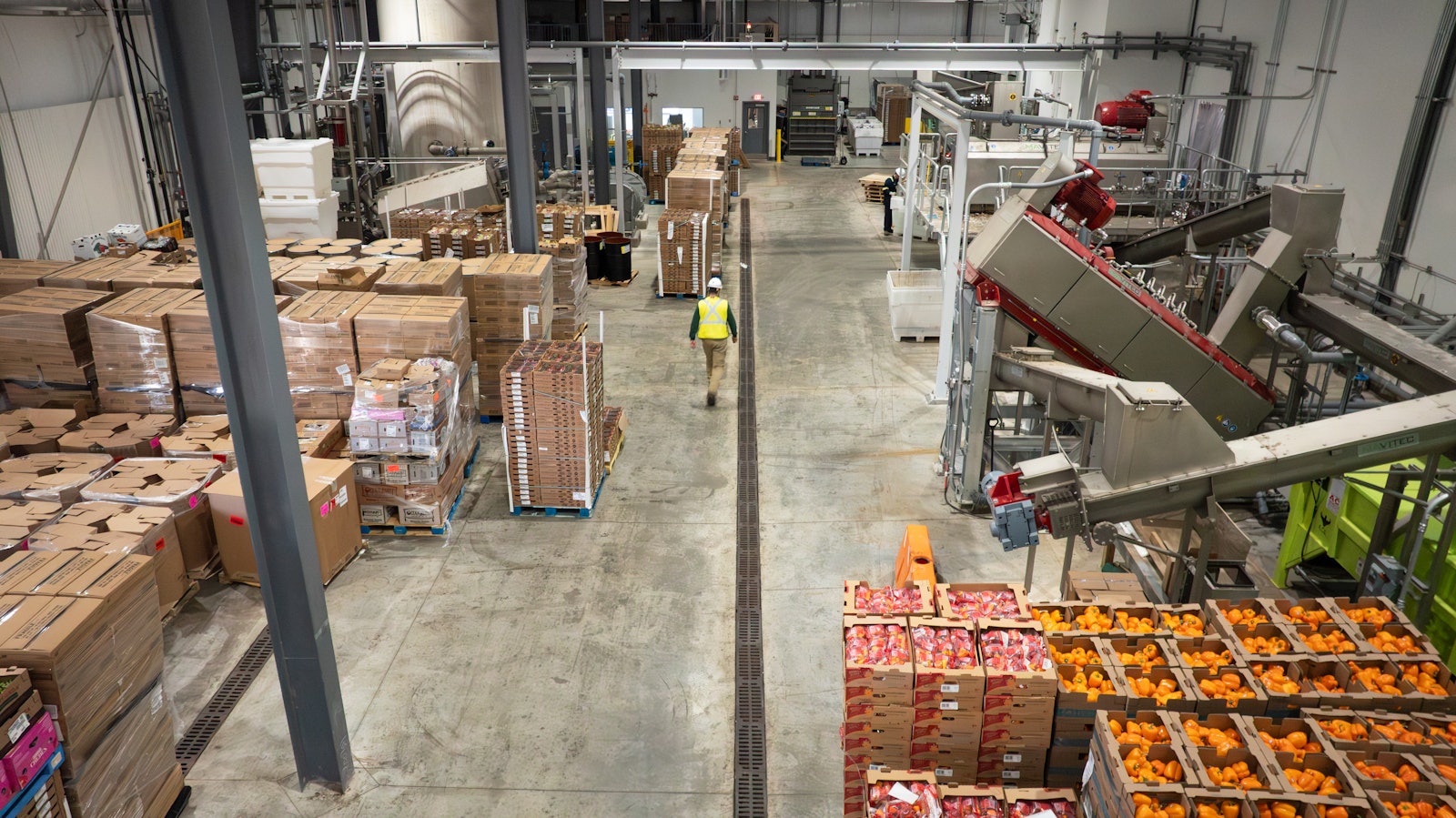
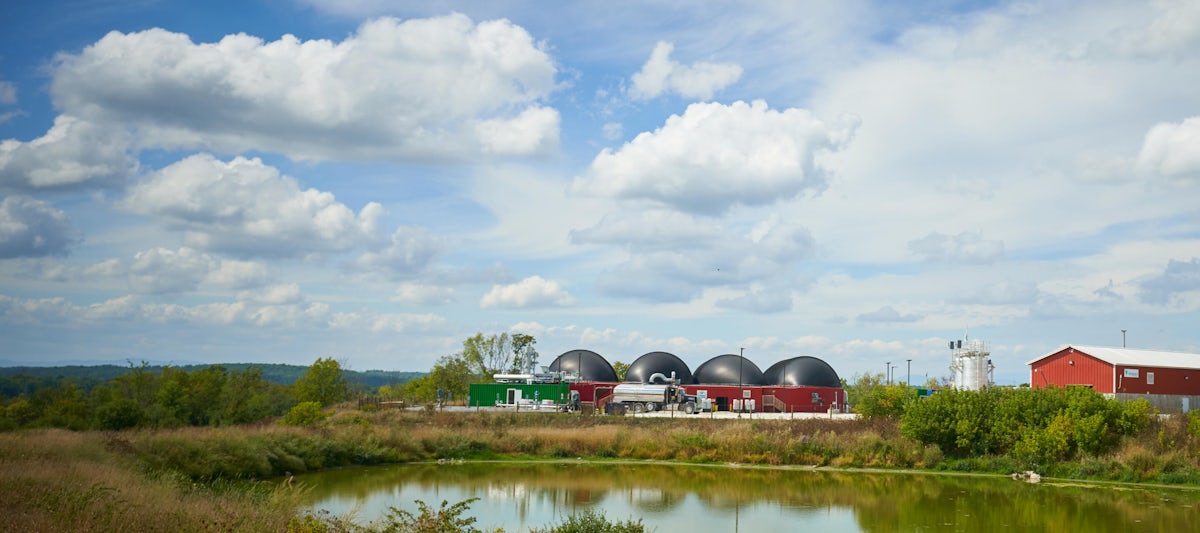
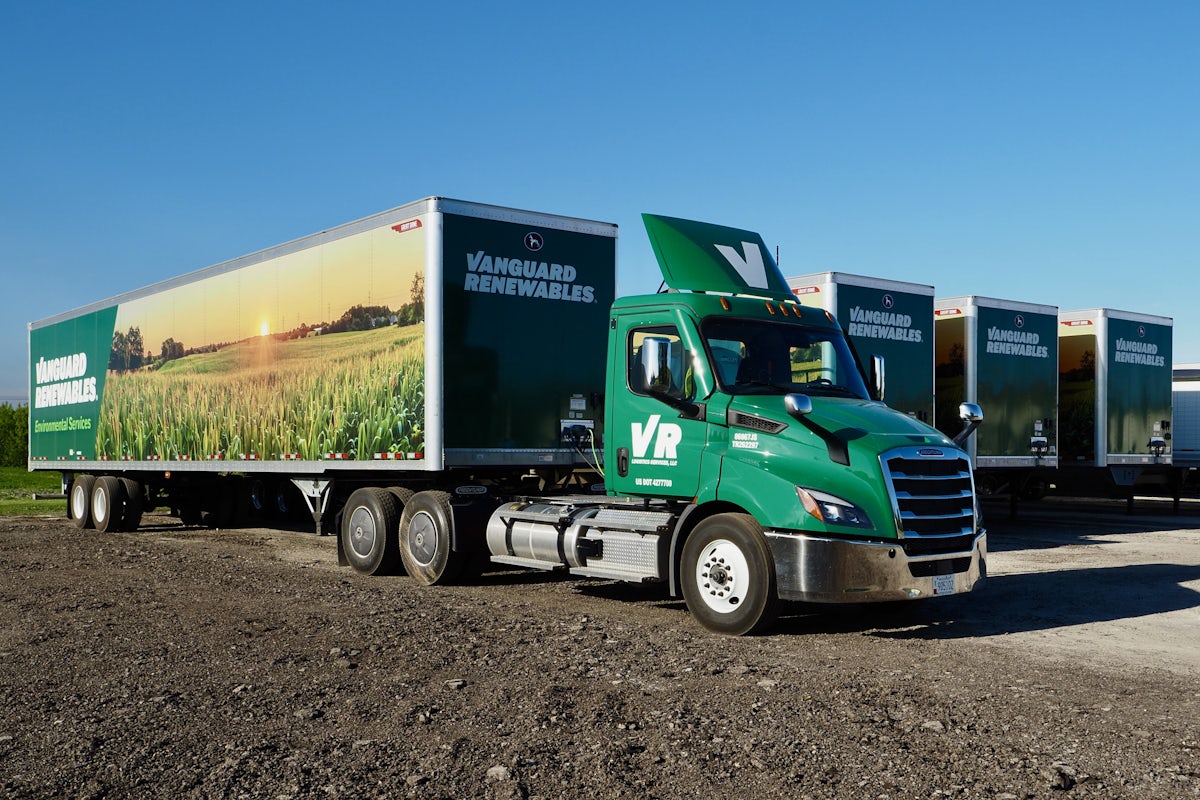
With a 14 anaerobic digestion and advanced depackaging facilities and an even broader network of trusted disposal partners across the country, Vanguard Renewables has built the infrastructure of recovery pathways needed to put food waste to productive use at scale.
For businesses navigating evolving food waste regulations or seeking more sustainable options for organic material streams, Vanguard Renewables can help identify the right path forward.